
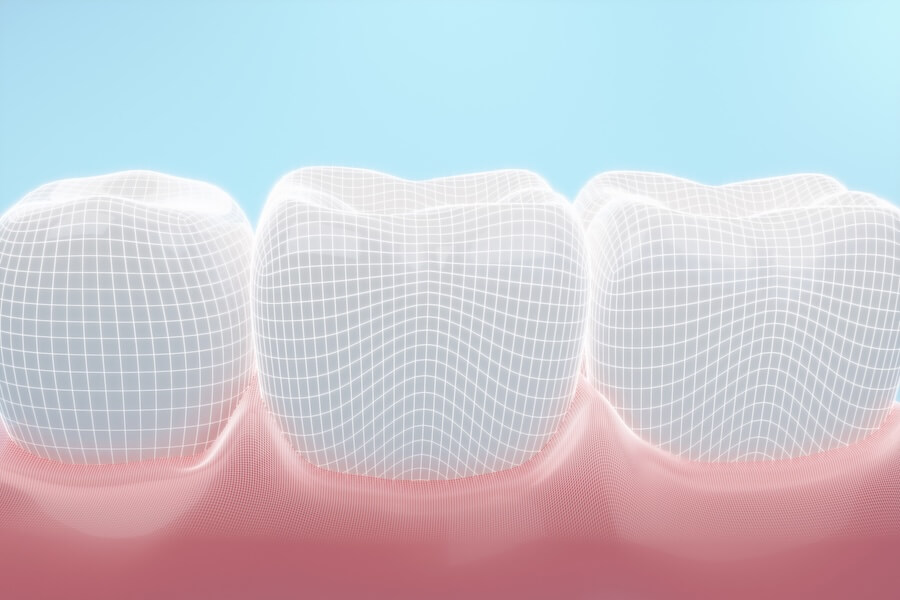
You still order your usual iced drink, but lately you wait for the ice to melt before taking a sip. Then you notice that the edges of your front teeth look thinner than they used to. Those changes can happen when acids gradually wear away enamel, the hard outer layer that protects your teeth. Because enamel erosion develops over time, you may spend a while working around the sensitivity before connecting it to the changes you see.
At Jackson Smiles Family Dentistry in Jackson, Tennessee, we can check what’s happening. Dr. Neil Patel examines your teeth for erosion and other causes of wear or sensitivity. As we go through your routine, we may ask about the lemon water you carry all day, the sports drink after your workout, or reflux that has been bothering you at night. Those details help us explain where the exposure comes from and what you can change to protect your teeth.
What Causes Enamel Erosion?
Acids dissolve minerals from enamel. When your teeth encounter them repeatedly, the surface can gradually wear away, leaving less protection underneath. Soda, sports drinks, citrus beverages, and sour candy all can contribute. Stomach acid can also reach your teeth through reflux or repeated vomiting.
Meanwhile, saliva helps wash away and neutralize acids between exposures. If you finish a drink with lunch, your mouth gets a break afterward. However, taking another sip every few minutes keeps restarting the exposure. So when we ask about your drinks, we also want to know whether you finish them with a meal or carry them around for hours.
Look at What You Sip All Day
Maybe you add lemon to your water because you like the taste and it helps you drink more. You refill the bottle at work, take it in the car, and finish it while making dinner. Or perhaps you buy a sports drink after exercising and keep sipping it through the rest of the morning. In either case, your teeth encounter acid repeatedly, even though each sip seems small.
Sugar-free versions can still contain acids, so removing the sugar doesn’t necessarily remove the erosion risk. Instead, try having acidic drinks with meals and switching to plain water afterward. You can still enjoy a drink you like while reducing how often it reaches your teeth. Also, avoid swishing it around your mouth, and rinse with water when you finish.
Reflux Can Reach Your Teeth
Reflux brings stomach contents back up toward the throat and sometimes into the mouth. You may notice heartburn after dinner or wake with a sour taste, although some people have fewer obvious symptoms. Because stomach acid can wear enamel away, we may ask about reflux when we see certain patterns of tooth wear. Mention repeated vomiting as well, even if you haven’t connected it with your dental symptoms.
If that exposure continues, your medical clinician will need to evaluate the underlying cause. In the meantime, we can discuss how to protect your teeth. After an episode, rinse your mouth and allow time before brushing, since acid temporarily softens the surface. We can also review fluoride products and your cleaning routine based on how often this happens.
What Changes Might You Notice?
At first, you might leave the ice out of your water or chew on the other side when something feels sensitive. As enamel gets thinner, hot drinks and certain foods may start bothering you as well. Teeth can also look more yellow because the dentin—the layer beneath enamel—shows through more clearly. Meanwhile, front-tooth edges may become more see-through, and chewing surfaces can develop smooth, shallow hollows.
However, a sensitive tooth can have several possible causes, including recession, decay, a crack, or damaged dental work. Point out the tooth that reacts and describe what you were eating or drinking when it happened. If your tongue keeps finding a chipped edge, show us that spot as well. We can check whether erosion has weakened the surface or another problem needs treatment.
Grinding Can Add More Wear
Acid exposure can soften tooth surfaces, while grinding adds friction and pressure. Together, they can wear teeth down faster. You might catch yourself clenching while answering emails or driving home, then realize your jaw has been tight for much of the afternoon. Other patients notice tired jaw muscles when they wake up or hear from a partner that they grind at night.
Bring up those symptoms during your visit so we can compare them with the wear on your teeth. We’ll also check how your teeth meet and whether certain areas take more pressure. Depending on the findings, we may recommend a protective appliance. If a tooth needs repair, we’ll account for that pressure so the restoration can function with your bite.
How Can You Protect Your Enamel?
Enamel lost through erosion cannot grow back. However, fluoride helps strengthen the remaining surface and supports mineral repair. Reducing repeated acid exposure helps preserve that surface, so start with something you do regularly. For example, swapping the lemon water you sip all afternoon for plain water may reduce more exposure than avoiding an orange you occasionally eat with breakfast.
Along with those changes, keep brushing twice daily with fluoride toothpaste and cleaning between your teeth. Use a soft toothbrush and gentle pressure, particularly if you’ve started scrubbing harder because your teeth look more yellow. After acidic foods or drinks, rinse with water and wait before brushing. At your visit, we can review your technique and recommend products for sensitivity or additional fluoride protection.
When Do Worn Teeth Need Repair?
For limited wear, preventive care and monitoring may be enough. If more enamel has worn away, bonding, a crown, or another restoration may help cover vulnerable areas and make chewing more comfortable. We’ll show you the affected surfaces and explain what each option would do. At the same time, we’ll work through the acid exposure or grinding that could continue damaging the tooth.
Also, check with us before whitening teeth that look thinner or have become sensitive. It’s understandable to want to brighten them when they start looking yellow, but the color may come from dentin showing through worn enamel. Whitening may not give you the result you expect and can increase sensitivity. Once we’ve examined the teeth, we can discuss ways to address their appearance along with the wear.
Enamel Care in Jackson, Tennessee
If you’ve been leaving ice out of your drinks or noticing thinner tooth edges in the mirror, bring those changes to your next visit. At Jackson Smiles Family Dentistry in Jackson, Tennessee, Dr. Neil Patel and our team can check the wear and help you understand what’s behind it. We’ll discuss changes you can make at home and explain whether any teeth need repair.
Schedule an appointment if sensitivity keeps returning, and bring your questions about drinks, reflux, grinding, or whitening. You can describe the habits you’ve already changed and the foods that still bother you. Let’s protect your remaining enamel and help you enjoy your meals without working around sore teeth!
Schedule your visit today!
Contact Us