
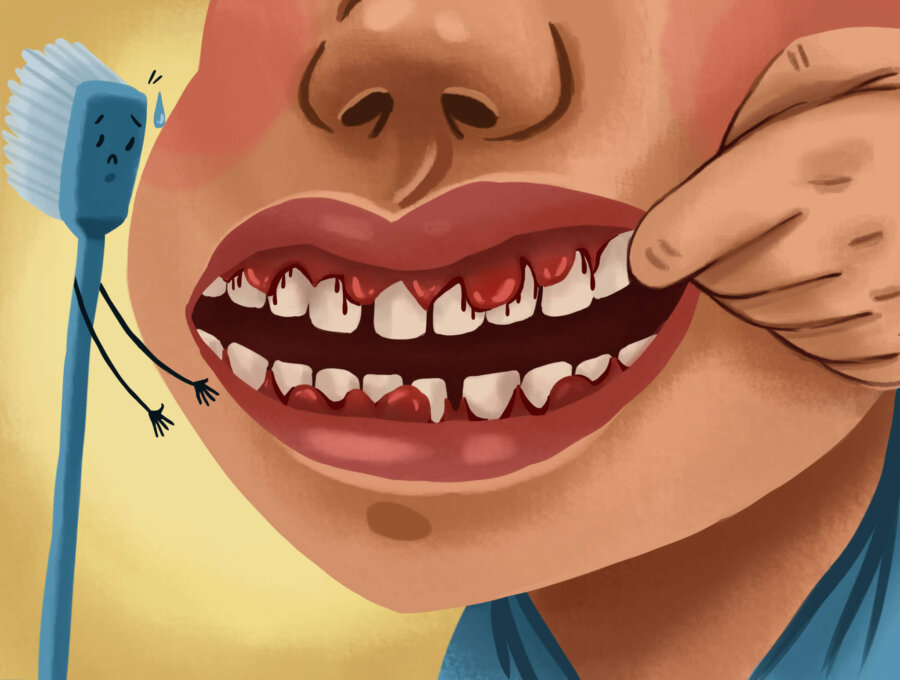
If you’ve ever noticed a little blood after brushing or flossing, it can be a bit unsettling — but not necessarily shocking. Lots of people experience it at some point. Still, bleeding gums aren’t random, and they’re not something to ignore. They’re your body’s way of signaling that the soft tissues around your teeth are irritated or overwhelmed.
At Jackson Smiles Family Dentistry in Jackson, TN, Dr. Neil Patel sees how often bleeding gums are overlooked — until they lead to more discomfort, sensitivity, or persistent inflammation. Understanding what your gums are trying to tell you makes it easier to address the cause early and protect your smile before bigger problems develop.
In this post, we’ll break down what bleeding gums really mean — and how to respond effectively.
Why Gums Bleed: Common Early Signs
Your gums are living tissue with a rich blood supply. When they’re healthy, they’re firm, pale pink, and don’t bleed with gentle brushing or flossing. But when inflammation sets in, tiny blood vessels become more fragile, and bleeding can happen with everyday activities like brushing, flossing, or biting into crunchy foods.
Bleeding in these circumstances often reflects early gum irritation — and it’s worth paying attention to.
Gum Irritation From Plaque Buildup
The most common reason gums bleed is bacterial plaque along the gumline. Plaque isn’t simply “things stuck to your teeth”; it’s a sticky film full of bacteria that thrives after meals and at night if cleaning isn’t thorough.
When plaque accumulates near the gums, your body responds with low‑grade inflammation. At first, this inflammation may only show up when you brush or floss — tenderness and slight bleeding. Most people notice it first around the back teeth or along the inside surfaces.
Here’s the key: if your gums bleed during brushing or flossing, it’s a sign they’re inflamed — usually because plaque has been sitting along the gumline too long.
When Bleeding Signals Gingivitis
Gingivitis is the earliest stage of gum disease. It’s common, reversible, and usually doesn’t hurt — at least not at first. That’s one of the tricky parts: it doesn’t need pain to be real.
Typical signs include:
- Gums that bleed when brushing or flossing
- Gums that look slightly red or swollen
- Mild tenderness when pressure is applied
In this stage, improving daily cleaning and a professional dental cleaning can often calm inflammation and stop bleeding.
Deeper Inflammation and Periodontal Considerations
If gum irritation is ongoing and not addressed, inflammation can progress below the gumline. At this stage, pockets can form between teeth and gum tissue. These deeper spaces are harder to clean at home and can harbor bacteria that contribute to more persistent bleeding, bad breath, and in some cases, bone loss.
This deeper involvement requires periodontal evaluation and interaction with your dental team so we can tailor care — sometimes beyond a routine cleaning — to reduce inflammation and restore gum stability.
Other Causes Worth Considering
Bleeding gums aren’t always about plaque alone. Other factors that can make gums more likely to bleed include:
- Brushing too hard or using a firm toothbrush
- Hormonal changes (common during pregnancy or puberty)
- Medications that affect blood clotting or tissue response
- Vitamin deficiencies (especially vitamin C or K)
- Tobacco use and smoking
- Dry mouth — when saliva flow is reduced, bacteria and irritation increase
If gum bleeding is new, unusual, or persistent despite good brushing and flossing, it’s worth mentioning these possibilities at your dental visit.
How Dr. Patel and Your Dental Team Evaluate Bleeding Gums
At Jackson Smiles Family Dentistry, a gum evaluation starts with a simple look and gentle measurements between the tooth and gum. These “pocket depths” help determine how far inflammation has spread. If deeper pockets are found, treatment recommendations can range from enhanced cleanings to periodontal therapy based on your unique situation.
We also review your brushing and flossing techniques and may recommend tools — like soft‑bristled brushes, floss picks, or water flossers — that help you clean more comfortably and effectively.
Simple Everyday Steps That Make a Difference
Many cases of bleeding gums respond remarkably well to consistent care, such as:
- Gentle daily brushing with a soft brush
- Flossing once a day to remove unseen plaque between teeth
- Rinsing with water after meals to reduce lingering debris
- Regular dental checkups and professional cleanings
Consistency matters. It usually takes about three weeks to see noticeable improvement.
When to Schedule a Dental Visit
If your gums bleed more than occasionally, or if you notice swelling, sensitivity, persistent redness, or pockets that don’t respond to brushing and flossing, a dental visit can help pinpoint what’s going on. Early intervention often keeps treatment simpler and more comfortable.
At Jackson Smiles Family Dentistry, Dr. Neil Patel and the team tailor suggestions to your daily routine and oral health goals so the path forward is clear, manageable, and specific to you.
What Bleeding Gums Are Trying to Tell You — Jackson Smiles Family Dentistry in Jackson, TN
Bleeding gums are a message, not a mystery. Most often, they signal irritation from plaque and inflammation that respond well to consistent daily care and professional support. But they can also point to other factors worth exploring.
If your gums bleed regularly or you’re unsure what’s normal in your mouth, call Jackson Smiles Family Dentistry in Jackson, TN. We’ll take a look, talk through what we see, and help you take steps that soothe your gums and protect your smile long term.
Schedule a visit today so your gums can stay strong and healthy.
Schedule your visit today!
Contact UsImage from Authority Dental under CC 2.0